
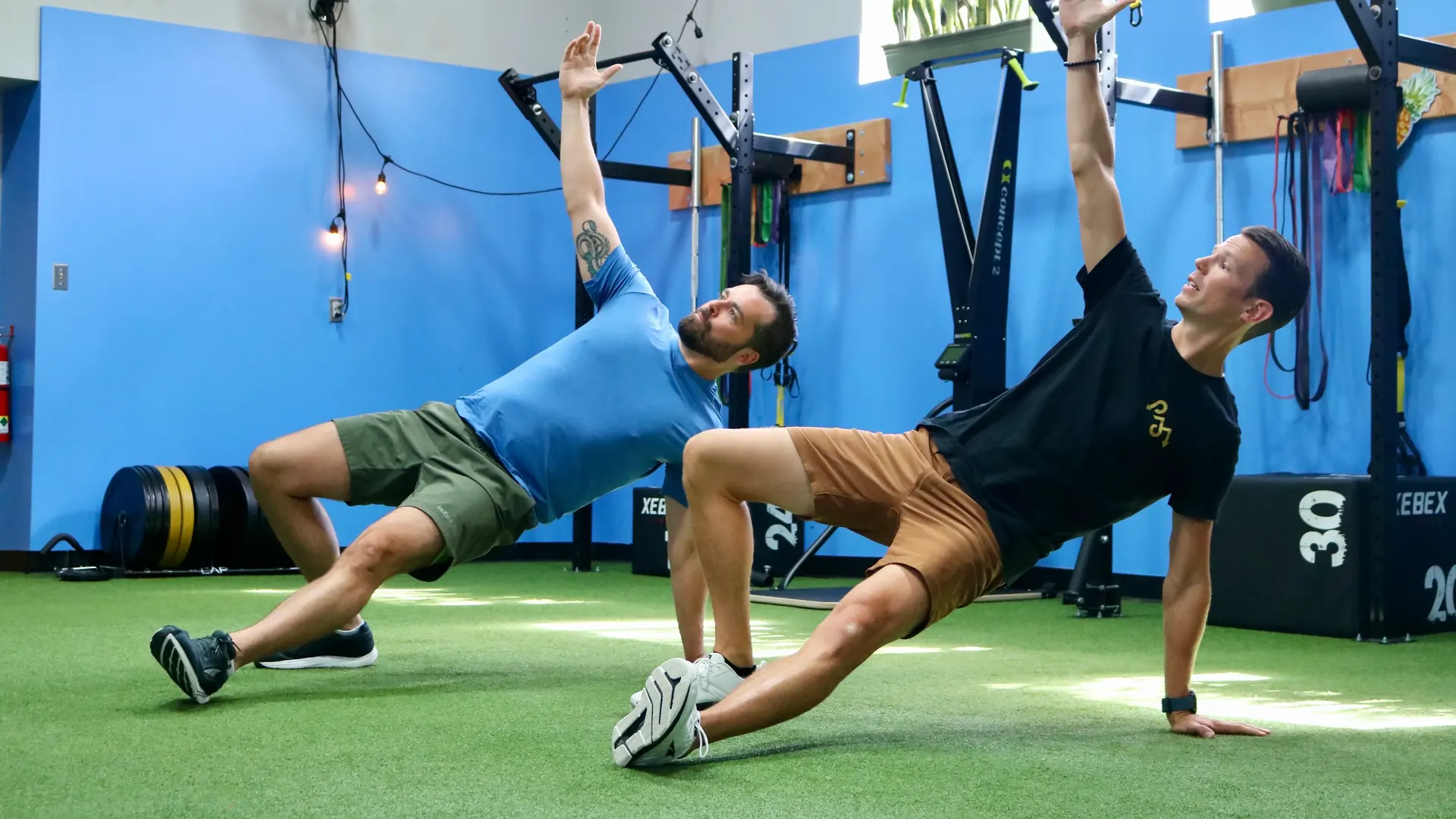
The pain in your leg starts in your spine.
Sciatica describes any pain that travels along the path of the sciatic nerve, from the lower back through the buttock and down the leg. The nerve itself is not the problem: it is being compressed or irritated by something else, most commonly a herniated disc, bone spur, or piriformis muscle.
Different causes of sciatica respond to very different treatments. Directional exercises that relieve disc-driven sciatica can worsen piriformis-driven sciatica. This is why accurate assessment matters so much before treatment begins.
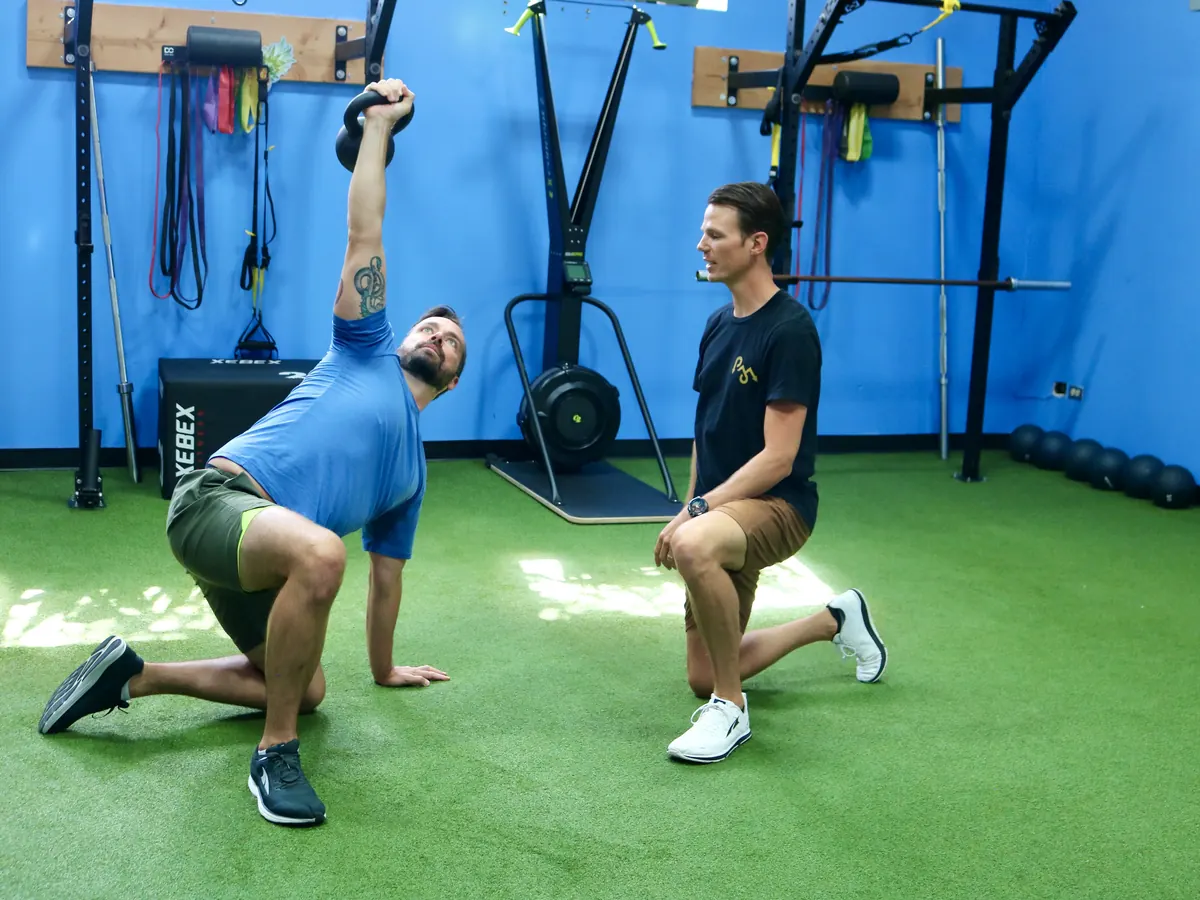
The character of your leg pain tells us the cause.
Where the pain travels, what makes it better or worse, and whether it is accompanied by numbness or weakness all help identify the source and guide treatment direction.
Leg Pain Below Knee
Sharp, shooting, or burning pain that travels from the buttock past the knee and into the calf or foot.
Numbness and Tingling
Pins-and-needles sensation or numbness in the leg, calf, heel, or specific toes, following the nerve distribution.
Sitting Aggravation
Leg pain that worsens with prolonged sitting, like the drive to a race or a day at the desk, and eases once you get moving, characteristic of disc-driven sciatica.
Buttock Pain
Deep, aching or sharp pain in the buttock that may be the dominant symptom, often worse with hill running or long rides, particularly in piriformis syndrome.
Leg Weakness
A weak push-off when you run, trouble with single-leg calf raises, or a foot that slaps on hills, indicating nerve compression with motor involvement.
Worse with Coughing
A sudden increase in leg pain with coughing, sneezing, or straining, strongly suggesting disc herniation as the source.
We evaluate the whole body.
Sciatica treatment at Path to Movement begins with a precise directional assessment to identify the specific cause and the movement direction that relieves versus worsens your symptoms. This determines everything about how we treat you.
Disc-driven sciatica typically responds to extension-based exercise and joint mobilization. Piriformis involvement responds to targeted stretching, soft tissue work, and hip mobility work. Neural mobilization techniques gently mobilize the nerve itself when adhesion is contributing.
How we approach your care.
We don’t just address the injury. We build the system that supports your activity long-term.Path to Movement · Our Philosophy
Book Your Performance Evaluation
Book your Performance Evaluation today and take the first step toward building a body you can trust. You get one-on-one care with a licensed physical therapist.
You’re all set.
We’ll reach out within one business day to confirm your appointment. If you need to speak with us sooner, call us directly.