
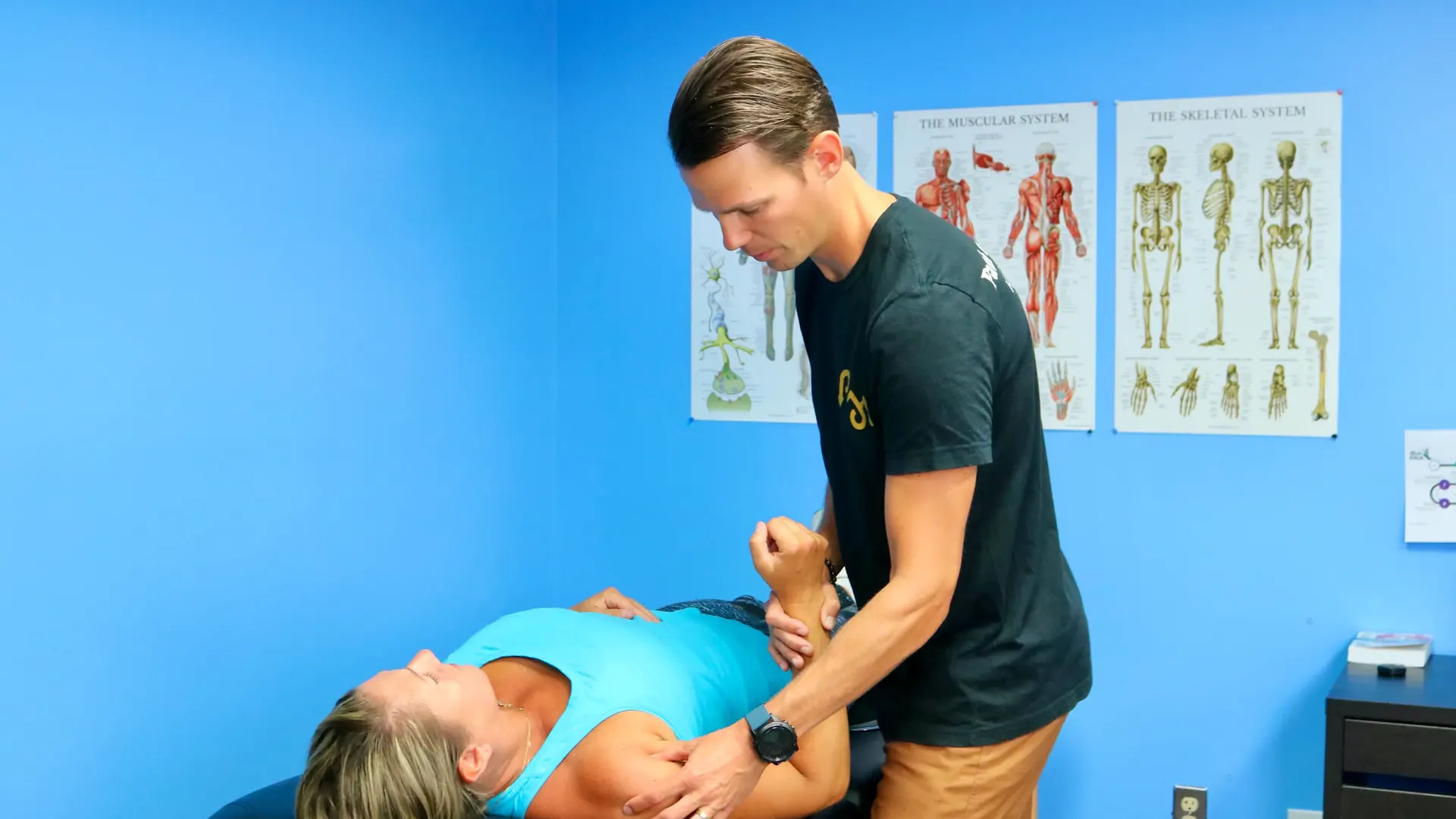
The foundation of effective physical therapy.
Manual therapy encompasses a range of skilled hands-on techniques: joint mobilization, manipulation, myofascial release, and neural mobilization, applied by a physical therapist to restore normal tissue mechanics. It is the clinical application of detailed anatomical knowledge, refined over years of practice.
At Path to Movement, manual therapy is never a standalone treatment. It is the tool that opens the window for therapeutic exercise and patient education to create lasting change. We use it precisely, where the evidence supports it, to address specific movement restrictions and pain sources.
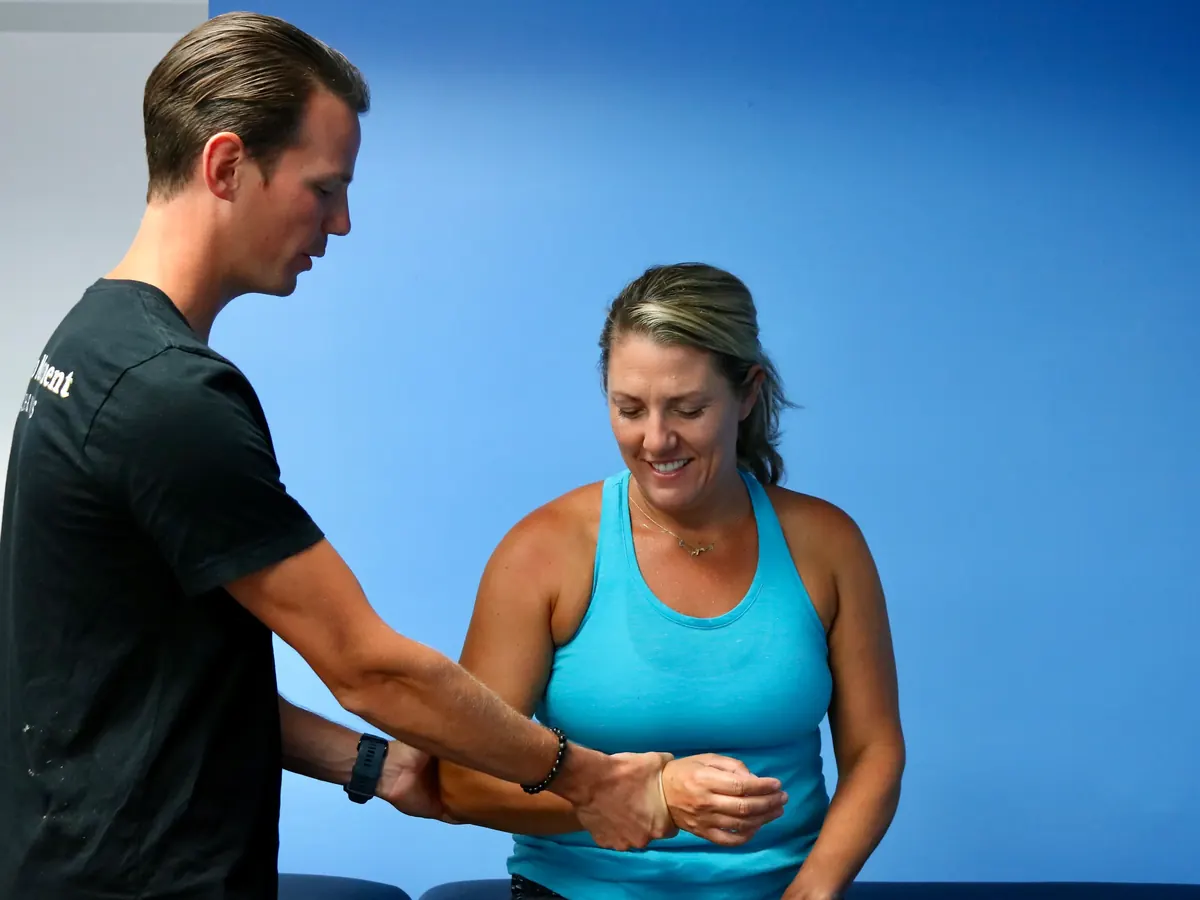
Precise, responsive, and immediately felt.
Joint Mobility Assessment
Your therapist examines which joints have reduced mobility, increased stiffness, or abnormal end-feel. This directs which techniques will be most appropriate for your presentation.
Targeted Treatment
Specific mobilization or manipulation techniques are applied to the joints or soft tissue identified in your assessment. You will typically feel an immediate change in stiffness or pain.
Active Movement Practice
Mobility gained through manual work is reinforced with movement. Without this step, the joint often returns to its restricted state within days. Exercise makes the change stick.
What our patients say.
“Since working with Ryan I have noticed that the pain is greatly diminished and, as an added bonus, the exercises he provided have helped me make some major improvements in my strength at the gym and in my comfort while running and jogging. I HIGHLY recommend Path to Movement Health and Wellness for anyone who needs a thorough, smart, and exceptionally compassionate physical therapist who genuinely cares about his patients and their well being!”Nate · Delaware County
Book Your Performance Evaluation
Book your Performance Evaluation today and take the first step toward building a body you can trust. You get one-on-one care with a licensed physical therapist.
You’re all set.
We’ll reach out within one business day to confirm your appointment. If you need to speak with us sooner, call us directly.