Decompression, not compression.
Cupping creates a negative pressure environment by applying suction cups to the skin. Rather than compressing tissue like massage, the suction lifts the superficial tissue layers away from the underlying structures. This mechanical separation creates space, improves circulation, and allows restricted fascia to release in a way that hands-on pressure cannot replicate.
At Path to Movement, cupping is used as myofascial decompression, a clinical application based on anatomical knowledge, not the traditional eastern cupping practice. Cups may be applied stationary to target specific restrictions, or moved along fascial lines and muscle bellies for broader effect.
Unusual sensation, meaningful release.
Assessment and Cup Placement
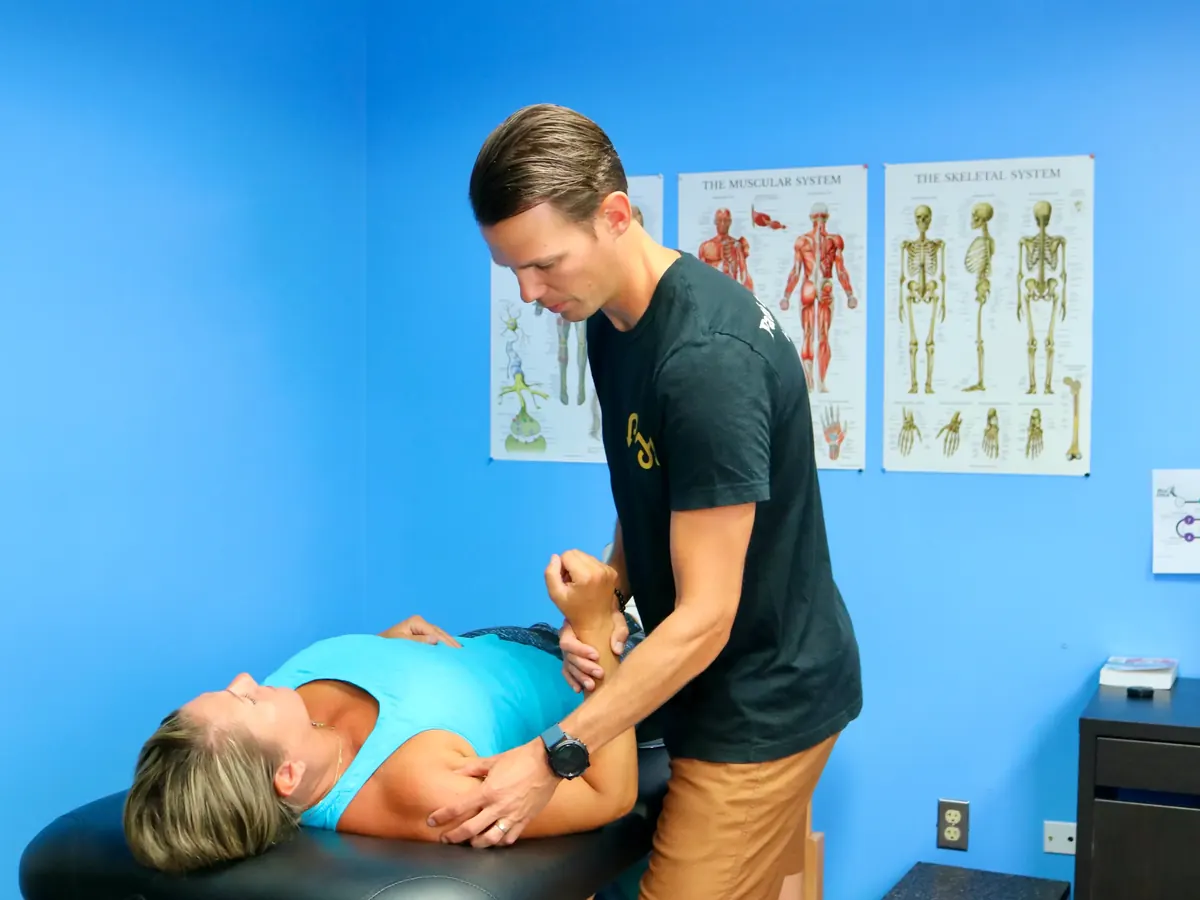
Your therapist identifies restricted tissue through palpation and movement testing. Cups are placed directly over the target area. You will feel the suction, a pulling sensation distinct from anything else.
Decompression Treatment
Cups may remain stationary for 5 to 10 minutes for deep decompression, or glide along fascial lines while suction is maintained. Temporary skin discoloration (circular marks) is normal and resolves in 2 to 5 days.
Active Movement Integration
After cupping, you move the tissue through its newly available range. Without movement, restrictions reform. With movement, the gains become permanent.
How we approach your care.
Most traditional physical therapy focuses on reducing pain. At Path To Movement, we focus on building resilience so you can continue doing what you love for decades.Path to Movement · Our Philosophy
Book Your Performance Evaluation
Book your Performance Evaluation today and take the first step toward building a body you can trust. You get one-on-one care with a licensed physical therapist.
You’re all set.
We’ll reach out within one business day to confirm your appointment. If you need to speak with us sooner, call us directly.